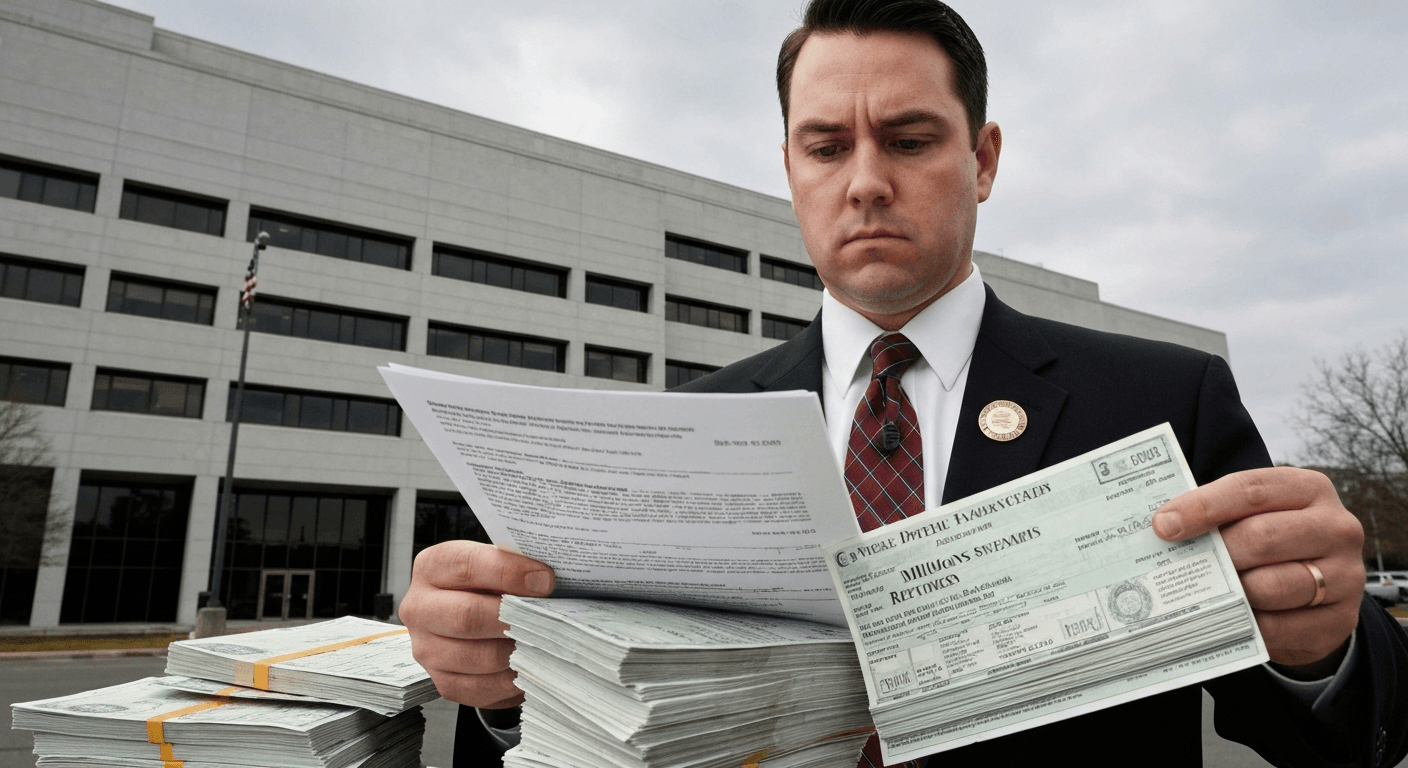
The Internal Revenue Service is currently sitting on a significant pile of unclaimed tax refunds, a situation that underscores both the complexities of the U.S. tax system and the challenges of ensuring widespread taxpayer compliance and awareness. The sheer volume of unclaimed funds – an estimated $1.2 billion owed to approximately 1.3 million Americans for the 2022 tax year – highlights a systemic issue that deserves closer examination. With the deadline for claiming these refunds looming, it's crucial to understand the underlying factors contributing to this phenomenon and the implications for taxpayers, tax professionals, and the broader economy. This isn’t simply about individual taxpayers missing out; it reflects a potential weakness in the IRS's outreach efforts and the overall accessibility of the tax system.
What's Happening
The IRS estimates that the average unclaimed refund per taxpayer for the 2022 tax year is approximately $686. This money is owed to individuals who, for various reasons, did not file their Form 1040 federal income tax return. The deadline for claiming these refunds is generally three years from the original due date of the return. This means that for the 2022 tax year, most taxpayers have until the tax filing deadline in 2026 to submit their returns and claim their refunds. After this deadline, the money reverts to the U.S. Treasury.
Several factors contribute to this situation. Some taxpayers may have had their taxes withheld from their paychecks but were unaware that they were eligible for a refund, perhaps due to low income or eligibility for tax credits like the Earned Income Tax Credit (EITC). Others may have experienced life changes such as job loss, illness, or relocation, leading them to overlook or postpone filing their taxes. Furthermore, the complexity of the U.S. tax code itself can be a barrier for some individuals, especially those with limited financial literacy or access to professional tax assistance. The IRS provides resources and assistance to taxpayers, including free tax preparation services for qualifying individuals, but awareness and utilization of these resources remain a challenge. It's also important to note that the IRS typically holds refunds when taxpayers have not filed tax returns for previous years. This is to ensure that all outstanding tax obligations are met before any refund is issued.
Industry Context
The issue of unclaimed tax refunds is not new, but the current situation highlights a persistent challenge for the IRS and the tax preparation industry. The IRS has faced criticism in the past for its limited resources and outdated technology, which can hinder its ability to effectively communicate with taxpayers and process returns in a timely manner. Compare this to the private sector, where companies like Intuit (TurboTax) and H&R Block invest heavily in user-friendly software and marketing campaigns to encourage taxpayers to file their returns and claim any eligible refunds.
The complexity of the U.S. tax code, with its numerous deductions, credits, and exemptions, also contributes to the problem. While simplification efforts have been discussed and implemented over the years, the tax code remains a significant hurdle for many taxpayers. This contrasts with countries like Estonia, which have implemented simpler, more streamlined tax systems that require minimal effort from taxpayers. The IRS faces the ongoing challenge of balancing the need for accuracy and compliance with the goal of making the tax system more accessible and user-friendly. Furthermore, the rise of the gig economy and self-employment has added another layer of complexity, as many individuals are now responsible for managing their own taxes and may not be fully aware of their obligations or entitlements. The IRS needs to adapt its outreach efforts to address the specific needs of these taxpayers and provide them with the resources and support they need to comply with the tax laws.
Why This Matters for Professionals
For tax professionals, the existence of substantial unclaimed refunds presents both an opportunity and a responsibility. On one hand, it highlights the ongoing need for professional tax advice and preparation services. Taxpayers who are unsure of their eligibility for refunds or who find the tax code too complex may benefit from seeking assistance from a qualified tax professional. This presents an opportunity for accountants and tax preparers to market their services and educate potential clients about the benefits of professional tax assistance.
On the other hand, tax professionals also have a responsibility to inform their clients about the availability of unclaimed refunds and to help them claim any eligible refunds. This includes proactively reaching out to clients who may have missed filing deadlines or who may be unaware of their eligibility for certain tax credits or deductions. Specifically, tax professionals should:
- Review client records: Conduct a thorough review of client records to identify any potential unclaimed refunds for prior tax years.
- Communicate proactively: Reach out to clients who may be eligible for unclaimed refunds and provide them with clear and concise information about the steps they need to take to claim their refunds.
- Offer assistance: Provide assistance with preparing and filing amended tax returns to claim unclaimed refunds.
- Educate clients: Educate clients about the importance of filing tax returns on time and claiming all eligible tax credits and deductions.
- Stay informed: Stay up-to-date on the latest tax laws and regulations to ensure that they are providing their clients with accurate and reliable advice.
- Utilize technology: Leverage tax software and other technology tools to streamline the process of identifying and claiming unclaimed refunds.
The IRS also offers resources for tax professionals, including publications, online training, and outreach programs, to help them stay informed and assist their clients with tax compliance.
The Bottom Line
The unclaimed tax refunds represent a significant amount of money that could provide much-needed financial relief to individuals and families. The IRS needs to enhance its outreach efforts and simplify the tax system to ensure that all eligible taxpayers are aware of their rights and obligations. Tax professionals also have a crucial role to play in educating their clients and helping them claim any eligible refunds. Addressing this issue requires a collaborative effort between the IRS, tax professionals, and taxpayers to promote tax compliance and ensure that everyone receives the refunds they are entitled to.
Fintech.News Desk
Editorial TeamThe Fintech.News Desk covers the latest developments in fintech, accounting technology, tax regulation, and AI in finance. We combine AI-assisted research with editorial review to deliver analytical news coverage for finance professionals.
Enjoyed this article?
Get stories like this first on our Telegram channel. Subscribed by thousands of fintech leaders.
Join us on TelegramRead Next

CFTC Names Task Force to Set AI and Prediction Market Rules
CFTC forms AI task force! Explore how new rules for AI & prediction markets will impact derivatives. Stay ahead in fintech & accounting.

IRS Issues Final Regs on Occupations Eligible for OBBBA Tips Deduction
Final IRS regs on OBBBA tip tax deductions are here. See if your occupation qualifies for "no tax on tips" under the new rules. Key details for fintech & accoun

IRS Provides States with Guidance for Nominating Census Tracts as Opportunity Zones
Opportunity Zone update: IRS clarifies census tract nomination procedures for states. Vital guidance for fintech & accounting pros advising on OZ investments.

Gail Perry Discusses Key Takeaways from the New York CPA Society 'Meet the IRS' Day
NY CPA Society's IRS Day takeaways: Gail Perry shares insights from top IRS officials. Learn key priorities & strategies for tax pros.

Sen. Tillis aims to release draft resolving Clarity Act's stablecoin yield dispute this week: report
Sen. Tillis to release Clarity Act draft this week, resolving the stablecoin yield dispute. Get the latest on crypto regulation & potential rewards impact.

US Justice Department opens claims for victims of $4 billion OneCoin fraud
OneCoin victims can now file claims with the DOJ for a share of $4B in recovered assets. Learn about eligibility & the recovery process.
More in this topic

Japan Prepares to Regulate Crypto as a Financial Product

FBI says crypto-related fraud losses hit record $11.4 billion in 2025, with seniors bearing the brunt
Philippines Asks Facebook to Curb Fake News, Warns of Legal Move

Bitwise files second amendment to Hyperliquid ETF, adds Wintermute and Flowdesk as trading counterparties

ECB backs EU plan to centralize crypto supervision under Paris-based ESMA watchdog: Reuters

Kalshi wins temporary pause in Arizona criminal case

The US Operationalized Stablecoins This Week, But Who’s Using Them?