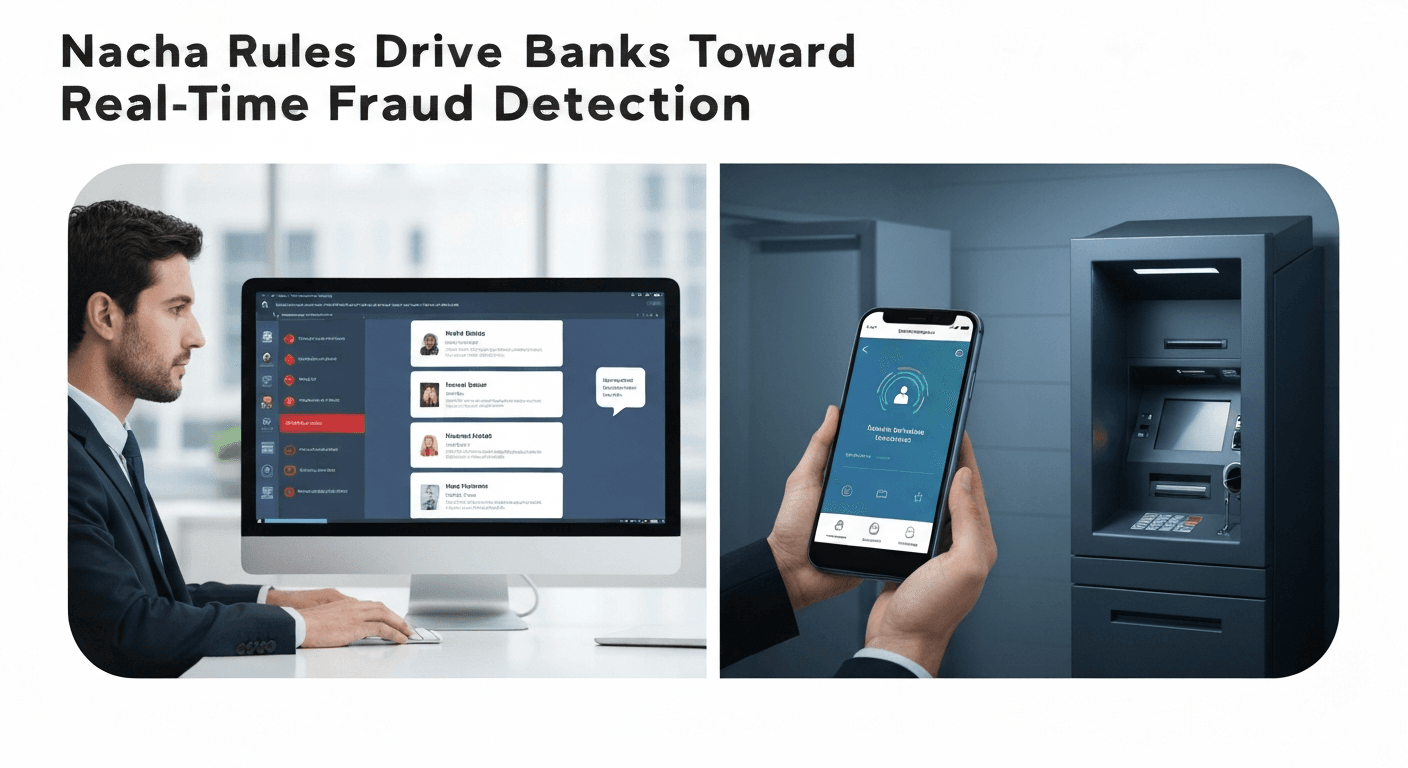
The role of the corporate treasury is undergoing a seismic shift, moving away from a reactive, record-keeping function towards a proactive, strategic driver of value. This transformation is being fueled by advancements in fintech, increasing expectations from stakeholders, and a growing awareness of the hidden costs associated with inefficient cash management. CFOs are now recognizing that "idle cash" – funds sitting dormant due to payment delays and outdated processes – represents a significant drag on profitability and are actively seeking solutions to unlock this trapped capital. This renewed focus on treasury optimization is not simply about cutting costs; it's about gaining a competitive edge in an increasingly volatile and demanding business environment.
What's Happening: The Real-Time Treasury Revolution
The core of this shift lies in the adoption of real-time payment systems and advanced treasury management solutions (TMS). Traditionally, corporate treasury functions have been hampered by slow payment cycles, fragmented banking relationships, and a lack of visibility into cash flows. This resulted in significant amounts of cash being tied up in transit or sitting idle in accounts, unable to be deployed for more productive purposes. The PYMNTS.com article highlights the growing recognition among CFOs that these delays are not simply an unavoidable cost of doing business, but rather a solvable problem with tangible financial benefits.
The move towards real-time treasury involves several key components:
- Instant Payments: Adoption of real-time payment rails, such as The Clearing House's RTP network and FedNow, allows for near-instantaneous transfers of funds, eliminating float and accelerating cash cycles.
- Treasury Management Systems (TMS): Modern TMS platforms provide a centralized view of global cash positions, automating tasks such as cash forecasting, payment processing, and reconciliation. These systems also offer advanced analytics and reporting capabilities, enabling CFOs to make more informed decisions about liquidity management.
- API Integration: Seamless integration with banking partners and other financial institutions through APIs (Application Programming Interfaces) allows for real-time data exchange and automated workflows.
- AI and Machine Learning: Emerging technologies like AI and machine learning are being used to improve cash forecasting accuracy, detect fraudulent transactions, and optimize investment strategies.
By implementing these technologies, companies can significantly reduce the amount of idle cash on their balance sheets, freeing up capital for strategic investments, debt reduction, or shareholder returns.
Industry Context: A Response to Increased Volatility and Competition
The push for real-time treasury is not happening in a vacuum. It’s a direct response to several broader trends impacting the corporate landscape. Increased economic volatility, geopolitical uncertainty, and rapidly changing customer expectations are all putting pressure on businesses to become more agile and efficient. In this environment, access to real-time information and the ability to quickly deploy capital are critical for survival and success.
Furthermore, the rise of fintech companies is disrupting traditional banking relationships and forcing corporations to re-evaluate their treasury strategies. Fintechs are offering innovative solutions for payments, cash management, and supply chain finance, often at lower costs and with greater flexibility than traditional banks. This increased competition is driving banks to invest in their own technology and offer more sophisticated treasury services.
Compared to the past, where treasury functions were often viewed as a back-office operation, the modern treasury is becoming a strategic partner to the business. CFOs are now expecting their treasury teams to actively contribute to revenue growth and profitability by optimizing working capital, managing risk, and providing insights into cash flow trends. This requires a fundamental shift in mindset and skillset, with treasury professionals needing to be more analytical, tech-savvy, and commercially focused.
The transition can be compared to the evolution of supply chain management. Just as companies optimized their supply chains to minimize inventory and reduce lead times, they are now focusing on optimizing their cash flows to minimize idle cash and accelerate the velocity of money.
Why This Matters for Professionals: Practical Impact and Action Items
The shift towards real-time treasury has significant implications for accountants, CFOs, and fintech practitioners.
For Accountants:
- Accountants need to develop a deeper understanding of real-time payment systems and their impact on financial reporting. They need to be able to accurately track and reconcile real-time transactions and ensure compliance with relevant accounting standards.
- Familiarity with TMS platforms and their capabilities is crucial for effective cash management and financial analysis.
- Accountants should be prepared to work closely with treasury teams to provide accurate and timely financial data to support decision-making.
For CFOs:
- CFOs need to champion the adoption of real-time treasury technologies and ensure that their treasury teams have the resources and support they need to succeed.
- They should work with their treasury teams to develop a comprehensive cash management strategy that aligns with the company's overall business objectives.
- CFOs should also be prepared to invest in training and development to ensure that their treasury professionals have the skills and knowledge necessary to operate in a real-time environment.
For Fintech Practitioners:
- Fintech companies need to continue to innovate and develop new solutions that address the challenges of real-time treasury.
- They should focus on building seamless integrations with existing banking infrastructure and TMS platforms.
- Fintechs also need to educate corporations about the benefits of real-time treasury and help them to overcome the barriers to adoption.
Specific Action Items:
- Conduct a thorough assessment of current treasury processes and identify areas for improvement.
- Evaluate different TMS platforms and select one that meets the company's specific needs.
- Establish strong relationships with banking partners and explore opportunities to leverage their real-time payment capabilities.
- Develop a comprehensive training program for treasury professionals to equip them with the skills and knowledge needed to operate in a real-time environment.
- Implement robust security measures to protect against fraud and cyber threats.
The Bottom Line: A New Era of Treasury Management
The move towards real-time treasury is not a passing fad; it's a fundamental shift in the way corporations manage their cash. By embracing new technologies and adopting a proactive approach to treasury management, companies can unlock significant value and gain a competitive edge in today's rapidly changing business environment. The days of accepting payment delays as an unavoidable cost of doing business are over.
Embracing real-time treasury is no longer a luxury but a necessity for companies seeking to optimize their financial performance and thrive in the digital age.
Fintech.News Desk
Editorial TeamThe Fintech.News Desk covers the latest developments in fintech, accounting technology, tax regulation, and AI in finance. We combine AI-assisted research with editorial review to deliver analytical news coverage for finance professionals.
Enjoyed this article?
Get stories like this first on our Telegram channel. Subscribed by thousands of fintech leaders.
Join us on TelegramRead Next

Embedded Payments Make Fraud Harder to See and Faster to Hit
Embedded payments hide fraud in plain sight. Learn how seamless integration impacts fraud detection & speed in fintech. Stay ahead of risks.

Inflation Hits 58% of Small Businesses and Pushes Embedded B2B Finance Forward
Inflation hurting SMBs? See how embedded B2B finance offers a lifeline. Discover solutions & strategies for accounting/fintech pros.
Fed Finds Stablecoins Idle, Confirms PYMNTS Usage Gap
Fed report reveals stablecoins mostly idle, used within crypto, not mainstream payments. PYMNTS usage gap confirmed. Fintech/accounting insights here.

68% of Banks Increase Fraud Defense Spending as Account Takeovers Spike
Banks boost fraud defense! 68% increase spending amid account takeover surge. Stay ahead of fintech security trends & protect your institution now.

BILL Expands Supplier Payments Plus Solution
Automate enterprise AP with BILL's Supplier Payments Plus. Enhanced features streamline supplier payments for large enterprises & SMBs. Learn more.

Visa Wants Fraudsters to Pick Another Business
Visa combats evolving fraud with AI. Deep dive into their strategy against sophisticated cybercrime. Insights for fintech & accounting pros.
More in this topic

HSBC Extends Tokenized Deposit Service to US Firms

Fed Rule Changes Would Expand SMB Lending Capacity

Trulioo Pushes Back Beyond One-Time Identity Checks

42% of CFOs Express Interest in Stablecoins as Payments Use Cases Grow

Gig Workers Want Real-Time Pay for Real-Time Work