The world of corporate finance is undergoing a seismic shift, driven by the relentless march of technology and the increasing need for efficiency and transparency. Businesses of all sizes are grappling with the complexities of managing outbound spend, a process often fragmented across multiple systems and departments. This fragmentation leads to inefficiencies, increased costs, and a lack of visibility into crucial financial data. Against this backdrop, solutions that consolidate and streamline these processes are not just desirable, but essential for maintaining a competitive edge. The announcement of Emburse's expanded Emburse Pay platform signifies a significant step towards addressing these challenges, offering a unified solution for managing vendor payments and global reimbursements. This development arrives at a critical juncture, as businesses navigate an increasingly complex regulatory landscape and heightened economic uncertainty, making efficient financial management more important than ever.
What's Happening: Emburse Pay's Expanded Capabilities
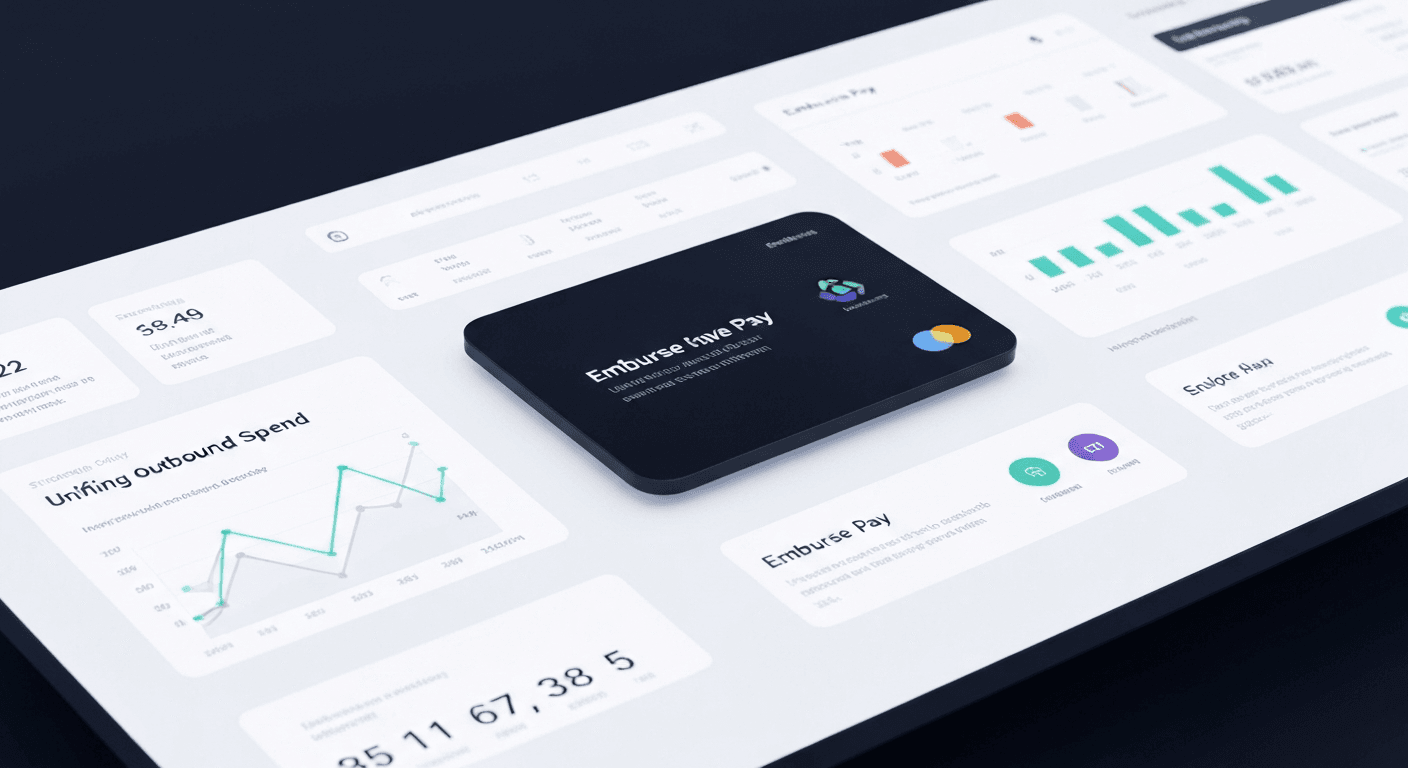
Emburse Pay's expansion aims to consolidate all outbound spend into a single, intelligent platform. This means businesses can now manage vendor payments and global employee reimbursements through a unified interface, eliminating the need for multiple systems and manual processes. The core value proposition lies in streamlining accounting workflows, reducing errors, and providing real-time visibility into spend data. While the specific technical details of the expansion aren't fully outlined in the initial announcement, we can infer several key functionalities are likely at play. These include automated invoice processing, enhanced payment scheduling, robust fraud detection mechanisms, and integrated reporting capabilities. The platform likely leverages APIs to connect with existing accounting software and ERP systems, facilitating seamless data transfer and reconciliation. Furthermore, the "intelligent" aspect of the platform suggests the incorporation of AI-powered features such as spend pattern analysis, anomaly detection, and automated compliance checks. Emburse Pay's global reimbursements feature likely incorporates multi-currency support, automated currency conversion, and compliance with international tax regulations, simplifying the complexities of managing expenses for international employees.
Industry Context: The Rise of Unified Spend Management Platforms
Emburse's move is part of a broader trend towards unified spend management platforms. Companies like Coupa, SAP Concur, and Bill.com also offer solutions that aim to consolidate various aspects of business spending, including procurement, expense management, and accounts payable. However, Emburse differentiates itself by focusing specifically on outbound spend, providing a more targeted and specialized solution. Coupa, for example, offers a more comprehensive suite of tools that cover the entire procure-to-pay process, including sourcing and contract management. SAP Concur, on the other hand, is primarily focused on travel and expense management. Bill.com excels in automating accounts payable processes, particularly for small and medium-sized businesses. Emburse's advantage lies in its ability to offer a flexible and scalable solution that can be easily integrated with existing systems, making it an attractive option for companies that want to streamline their outbound spend without completely overhauling their existing infrastructure. This approach aligns with the growing demand for modular and customizable solutions that can be tailored to specific business needs. The competitive landscape is further complicated by the emergence of fintech startups that are disrupting traditional payment processes with innovative technologies such as blockchain and real-time payments. These developments are forcing established players like Emburse to continuously innovate and expand their offerings to stay ahead of the curve.
Why This Matters for Professionals: Practical Impact and Considerations
The unification of outbound spend through platforms like Emburse Pay has significant implications for accounting professionals, CFOs, and fintech practitioners. Firstly, it can dramatically reduce the time and effort required to manage vendor payments and employee reimbursements. Automation of invoice processing, payment scheduling, and reconciliation frees up accounting staff to focus on more strategic tasks such as financial analysis and forecasting. Secondly, it improves the accuracy and reliability of financial data. By eliminating manual data entry and reducing the risk of human error, these platforms help ensure that financial statements are accurate and compliant with regulatory requirements. This is particularly important in light of increasing scrutiny from regulators such as the SEC and the IRS. Thirdly, it enhances transparency and control over spending. Real-time visibility into spend data allows CFOs to identify areas where costs can be reduced and to make more informed decisions about resource allocation. This is crucial for managing cash flow and improving profitability. For fintech practitioners, the rise of unified spend management platforms presents both opportunities and challenges. On the one hand, it creates a demand for skilled professionals who can implement and manage these platforms. On the other hand, it requires them to stay abreast of the latest technological developments and to adapt their skills accordingly.
Here are some specific action items and considerations for professionals:
- Assess your current spend management processes: Identify pain points and areas where improvements can be made.
- Evaluate different spend management platforms: Compare features, pricing, and integration capabilities to find the best fit for your organization.
- Develop a clear implementation plan: Outline the steps required to implement the new platform, including data migration, user training, and system integration.
- Monitor performance and make adjustments as needed: Track key metrics such as processing time, error rates, and cost savings to ensure that the platform is delivering the expected benefits.
- Stay informed about regulatory changes: Ensure that your spend management processes are compliant with all applicable regulations, including tax laws, anti-money laundering regulations, and data privacy laws. Refer to authoritative sources like the IRS website for tax-related guidance and the Financial Crimes Enforcement Network (FinCEN) for AML regulations.
The Bottom Line: A Strategic Imperative for Modern Finance
The expansion of Emburse Pay and the broader trend towards unified spend management platforms represent a strategic imperative for modern finance organizations. By consolidating and automating outbound spend processes, businesses can improve efficiency, reduce costs, and enhance transparency. While the initial announcement lacks specific details on technological implementation, the overarching goal of unification addresses a critical need in the market. As businesses navigate an increasingly complex and competitive landscape, the ability to effectively manage spending is essential for survival and success. Embracing unified spend management is no longer just a best practice, but a critical component of a robust and agile financial strategy.
Fintech.News Desk
Editorial TeamThe Fintech.News Desk covers the latest developments in fintech, accounting technology, tax regulation, and AI in finance. We combine AI-assisted research with editorial review to deliver analytical news coverage for finance professionals.
Enjoyed this article?
Get stories like this first on our Telegram channel. Subscribed by thousands of fintech leaders.
Join us on TelegramRead Next

Embedded Payments Make Fraud Harder to See and Faster to Hit
Embedded payments hide fraud in plain sight. Learn how seamless integration impacts fraud detection & speed in fintech. Stay ahead of risks.

Inflation Hits 58% of Small Businesses and Pushes Embedded B2B Finance Forward
Inflation hurting SMBs? See how embedded B2B finance offers a lifeline. Discover solutions & strategies for accounting/fintech pros.

Fed Finds Stablecoins Idle, Confirms PYMNTS Usage Gap
Fed report reveals stablecoins mostly idle, used within crypto, not mainstream payments. PYMNTS usage gap confirmed. Fintech/accounting insights here.

68% of Banks Increase Fraud Defense Spending as Account Takeovers Spike
Banks boost fraud defense! 68% increase spending amid account takeover surge. Stay ahead of fintech security trends & protect your institution now.

BILL Expands Supplier Payments Plus Solution
Automate enterprise AP with BILL's Supplier Payments Plus. Enhanced features streamline supplier payments for large enterprises & SMBs. Learn more.

Visa Wants Fraudsters to Pick Another Business
Visa combats evolving fraud with AI. Deep dive into their strategy against sophisticated cybercrime. Insights for fintech & accounting pros.
More in this topic

HSBC Extends Tokenized Deposit Service to US Firms

Fed Rule Changes Would Expand SMB Lending Capacity

Trulioo Pushes Back Beyond One-Time Identity Checks

42% of CFOs Express Interest in Stablecoins as Payments Use Cases Grow
Gig Workers Want Real-Time Pay for Real-Time Work