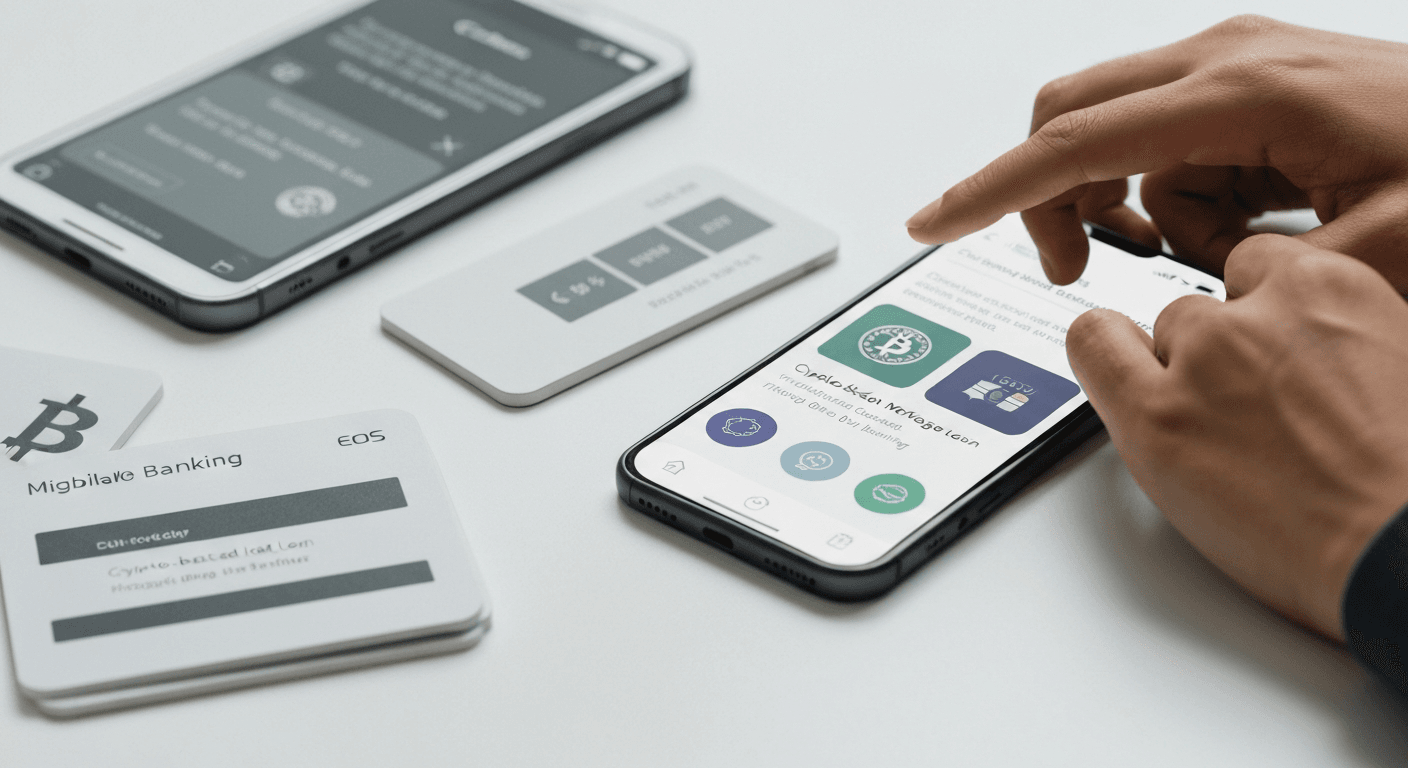
The intersection of traditional finance and the burgeoning world of digital assets has long been a topic of speculation and cautious exploration. While cryptocurrencies have captured the imagination of investors and technologists alike, their integration into the bedrock of the U.S. housing market has remained largely theoretical. However, a significant shift appears to be on the horizon as Fannie Mae reportedly prepares to accept mortgages backed by Bitcoin and USDC, a move that could reshape the landscape of homeownership and lending in the United States. This potential policy change, a first for the government-sponsored enterprise (GSE), signifies a crucial step toward mainstream adoption of digital assets and presents both opportunities and challenges for borrowers, lenders, and the broader financial ecosystem. The implications extend far beyond simple mortgage applications, potentially impacting financial reporting standards, risk management strategies, and the overall stability of the housing market.
What's Happening: Fannie Mae's Crypto-Backed Mortgage Plan
According to reports, Fannie Mae is considering allowing borrowers to pledge Bitcoin and USDC as collateral for mortgage loans. This would mark a significant departure from traditional mortgage lending practices, which typically rely on assets such as savings accounts, stocks, or bonds as sources of down payments and reserves. The specific details of the program, including the valuation methodology for the digital assets and the risk mitigation strategies Fannie Mae will employ, are still under development. However, the general concept involves allowing borrowers to use their cryptocurrency holdings as collateral, potentially unlocking access to homeownership for individuals who may have significant wealth tied up in digital assets but limited traditional financial resources. One crucial aspect will be the custodial arrangements for the pledged crypto assets. Fannie Mae will likely require borrowers to utilize approved custodians with robust security measures to safeguard the digital collateral. Furthermore, the program will likely feature stringent loan-to-value (LTV) ratios to account for the inherent volatility of cryptocurrencies. For example, a borrower might only be able to borrow 50% of the value of their Bitcoin holdings, providing a substantial buffer against price fluctuations.
The move is reportedly being driven by a desire to expand access to homeownership, particularly among younger, tech-savvy individuals who are more likely to hold significant cryptocurrency assets. By accepting crypto-backed mortgages, Fannie Mae aims to tap into a new pool of potential borrowers and increase the overall volume of mortgage originations. However, the program is expected to be rolled out cautiously, with initial focus on a limited number of lenders and borrowers to allow for thorough testing and refinement of the underwriting and risk management processes.
Industry Context: Crypto Lending and GSE Innovation
Fannie Mae's potential foray into crypto-backed mortgages aligns with a broader trend of increasing institutional interest in digital assets. Several crypto lending platforms, such as BlockFi and Celsius (before its bankruptcy), have already offered crypto-backed loans, albeit with varying degrees of success and regulatory scrutiny. However, Fannie Mae's involvement would bring a new level of legitimacy and scale to this emerging market. The company's size and influence in the mortgage industry could pave the way for wider acceptance of crypto-backed lending among other lenders and investors.
Compared to traditional mortgage lending, crypto-backed mortgages present a unique set of challenges and opportunities. On the one hand, they offer the potential for faster and more efficient loan processing, as digital assets can be easily transferred and verified. They also provide access to capital for borrowers who may not have traditional credit histories or assets. On the other hand, the volatility of cryptocurrencies poses a significant risk to both borrowers and lenders. Sudden price drops could lead to margin calls or even foreclosure, potentially destabilizing the housing market. This contrasts with traditional assets used for collateral, such as stocks or bonds, which are typically less volatile than cryptocurrencies and subject to more stringent regulatory oversight. Furthermore, the regulatory landscape for crypto-backed lending is still evolving, creating uncertainty and potential compliance challenges for lenders. The SEC, for instance, has taken a keen interest in crypto lending platforms, scrutinizing their lending practices and the potential for unregistered securities offerings.
Why This Matters for Professionals: Practical Impact
The introduction of crypto-backed mortgages will have a significant impact on various professionals involved in the financial ecosystem. Accountants and auditors will need to develop new procedures for valuing and auditing digital assets used as collateral. This will require expertise in blockchain technology, cryptocurrency valuation methodologies, and relevant accounting standards, such as those related to fair value measurement under FASB. CFOs of lending institutions will need to implement robust risk management frameworks to mitigate the volatility risks associated with crypto assets. This will involve developing sophisticated models for assessing and managing cryptocurrency price risk, as well as establishing clear policies for margin calls and loan defaults. Fintech practitioners will need to develop innovative solutions for streamlining the crypto-backed mortgage origination and servicing processes. This could include developing blockchain-based platforms for verifying collateral ownership, automating margin calls, and facilitating secure digital asset transfers.
Action Items:
- Accountants: Familiarize yourselves with the accounting standards relevant to digital assets and develop expertise in cryptocurrency valuation methodologies.
- CFOs: Develop robust risk management frameworks for managing cryptocurrency price risk and establish clear policies for margin calls and loan defaults.
- Fintech Practitioners: Explore opportunities to develop innovative solutions for streamlining the crypto-backed mortgage origination and servicing processes.
- Lenders: Understand the regulatory landscape surrounding crypto-backed lending and ensure compliance with all applicable laws and regulations.
The IRS will also need to provide clear guidance on the tax implications of crypto-backed mortgages, including the treatment of interest payments, capital gains, and loan defaults. The lack of clarity on these issues could create confusion and uncertainty for borrowers and lenders alike.
The Bottom Line: A Cautious Step Forward
Fannie Mae's potential acceptance of crypto-backed mortgages represents a significant step toward the mainstream adoption of digital assets in the U.S. housing market. While the move presents opportunities for expanding access to homeownership and driving innovation in the lending industry, it also poses significant risks related to cryptocurrency volatility and regulatory uncertainty. A cautious and well-regulated approach is crucial to ensure the stability and integrity of the housing market.
The integration of crypto into traditional finance is a complex undertaking, and the success of Fannie Mae's initiative hinges on careful planning, robust risk management, and clear regulatory guidelines.
Fintech.News Desk
Editorial TeamThe Fintech.News Desk covers the latest developments in fintech, accounting technology, tax regulation, and AI in finance. We combine AI-assisted research with editorial review to deliver analytical news coverage for finance professionals.
Enjoyed this article?
Get stories like this first on our Telegram channel. Subscribed by thousands of fintech leaders.
Join us on TelegramRead Next

42% of CFOs Express Interest in Stablecoins as Payments Use Cases Grow
Stablecoins gain traction! 42% of CFOs eye them for payments as use cases expand. Learn how this crypto trend impacts accounting & fintech strategies.
Gig Workers Want Real-Time Pay for Real-Time Work
Gig workers want instant pay! Learn how real-time payments solve cash flow issues for freelancers & contractors. Fintech & accounting insights.
New Nacha Rules Drive Banks Toward Real-Time Fraud Detection
Nacha's fraud rules push banks to real-time detection. Stay compliant & protect against evolving ACH fraud. Learn how to adapt your fintech/accounting strategy.

Payments Modernization Emerges as Growth Engine for Small Businesses
Payments modernization fuels SMB growth! Discover how streamlined payment systems boost efficiency, improve cash flow, and drive revenue for accounting professi
Critics: Circle Failed to Block Drift Hack Transfer
Circle's response to the Drift hack faces scrutiny. Did the stablecoin issuer fail to prevent illicit fund transfers? Key DeFi security concerns explored.

Check City Notifies 322,687 People of March 2025 Data Breach
Check City breach impacts 322K+. Details on the March 2025 data breach & its implications for fintech security. Protect your clients' data now.
More in this topic
Embedded Payments Make Fraud Harder to See and Faster to Hit

HSBC Extends Tokenized Deposit Service to US Firms

Inflation Hits 58% of Small Businesses and Pushes Embedded B2B Finance Forward

Fed Finds Stablecoins Idle, Confirms PYMNTS Usage Gap

68% of Banks Increase Fraud Defense Spending as Account Takeovers Spike

BILL Expands Supplier Payments Plus Solution

Visa Wants Fraudsters to Pick Another Business

Fed Rule Changes Would Expand SMB Lending Capacity