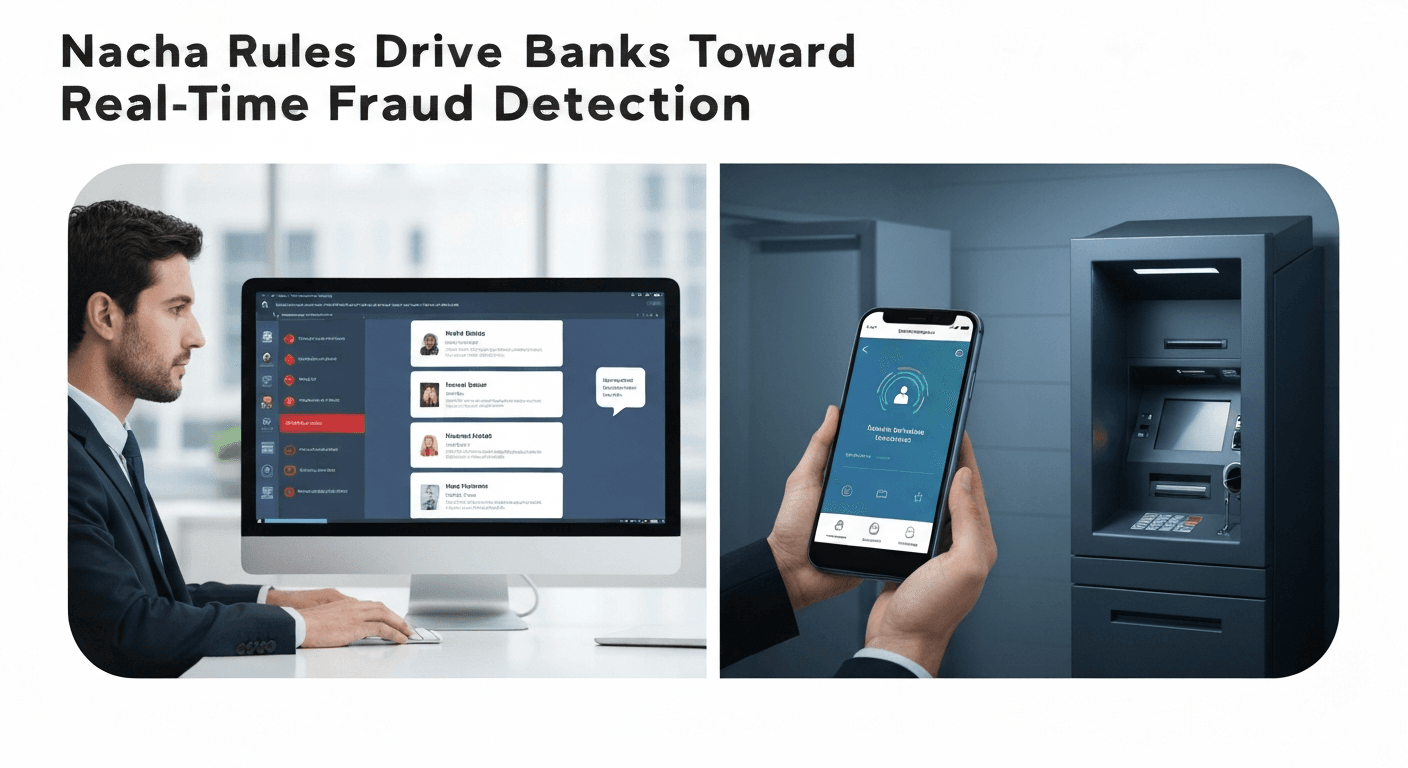
Instant payments, once hailed as the future of financial transactions, are rapidly becoming a double-edged sword for banks and financial institutions. While consumers and businesses benefit from the speed and convenience of near-instantaneous transfers, this accelerated pace is creating a fertile ground for increasingly sophisticated fraud schemes. The race to adopt instant payment systems is exposing vulnerabilities in existing security infrastructure, forcing a re-evaluation of risk management strategies and fraud detection capabilities. This shift demands immediate attention from accounting professionals, CFOs, and fintech practitioners who are tasked with safeguarding financial assets and maintaining trust in the digital payment ecosystem. The challenges are multifaceted, requiring a proactive and adaptive approach to combat evolving threats.
What's Happening: The Rise of Real-Time Fraud
The core issue revolves around the inherent trade-off between speed and security. Traditional payment systems, with their built-in delays and manual verification processes, offered a degree of protection against fraudulent activities. Instant payment systems, however, prioritize speed, often bypassing these established checks. This creates opportunities for fraudsters to execute scams and move funds before detection mechanisms can trigger.
Several specific fraud types are becoming increasingly prevalent within the instant payment landscape. One prominent example is account takeover (ATO) fraud, where criminals gain unauthorized access to user accounts and initiate fraudulent transfers. The speed of instant payments allows them to quickly drain accounts before the legitimate owner even realizes what is happening. Another growing concern is social engineering scams, where fraudsters manipulate individuals into willingly transferring funds through deceptive tactics, such as impersonating family members or offering fake investment opportunities. The immediacy of instant payments amplifies the effectiveness of these scams, as victims have limited time to question the transaction or seek assistance.
Furthermore, the anonymity afforded by some instant payment platforms can be exploited for money laundering and other illicit activities. Criminals can quickly move funds across borders, obscuring the origin and destination of the money. This poses significant challenges for regulatory compliance and anti-money laundering (AML) efforts, requiring enhanced monitoring and reporting capabilities. Banks are struggling to keep pace with the sophistication of these fraud schemes, often relying on outdated security systems that are ill-equipped to handle the real-time nature of instant payments.
Industry Context: A Global Push and Varying Responses
The global push towards instant payments is driven by consumer demand, technological advancements, and competitive pressures. Many countries have already implemented national instant payment systems, such as UPI in India, Pix in Brazil, and Faster Payments in the UK. The United States is catching up with the FedNow Service, which launched in 2023, aiming to provide a nationwide instant payment infrastructure.
However, the approach to fraud prevention varies significantly across different jurisdictions and institutions. Some countries have implemented stricter regulations and security standards for instant payment systems, requiring multi-factor authentication, transaction limits, and enhanced monitoring capabilities. Others have taken a more laissez-faire approach, leaving it to individual banks and payment providers to manage fraud risks.
For example, the UK's Faster Payments system has faced criticism for its high fraud rates, prompting calls for stronger consumer protection measures and increased liability for banks. In contrast, India's UPI system has implemented robust security features, such as real-time fraud monitoring and mandatory transaction confirmations, which have helped to mitigate fraud risks.
The competitive landscape is also influencing banks' response to fraud. Institutions that prioritize speed and convenience may be more willing to accept higher levels of fraud risk, while those that prioritize security may be slower to adopt instant payment systems. This creates a challenging balancing act for banks, who must weigh the benefits of instant payments against the potential costs of fraud and reputational damage. The lack of a standardized global approach to instant payment security creates a fragmented landscape, making it difficult for businesses to operate across borders and increasing the risk of cross-border fraud.
Why This Matters for Professionals: Practical Impact
The growing fraud risks associated with instant payments have significant implications for accounting professionals, CFOs, and fintech practitioners. Accountants need to be aware of the potential for fraud when reconciling accounts and auditing financial statements. They should implement robust internal controls to prevent and detect fraudulent transactions, including segregation of duties, transaction monitoring, and regular account reconciliations.
CFOs need to assess the financial impact of fraud on their organizations and develop comprehensive risk management strategies. This includes investing in advanced fraud detection technologies, training employees on fraud prevention techniques, and establishing clear reporting procedures for suspected fraudulent activity. CFOs should also consider the potential for reputational damage resulting from fraud and develop crisis communication plans to address any incidents that may occur.
Fintech practitioners need to design and develop instant payment systems that are secure and resilient to fraud. This requires incorporating security features at every stage of the development process, from authentication and authorization to transaction monitoring and fraud detection. Fintech companies should also collaborate with banks and other financial institutions to share information about emerging fraud threats and develop best practices for fraud prevention.
Action Items/Considerations:
- Implement multi-factor authentication: Enforce MFA for all user accounts to prevent unauthorized access.
- Enhance transaction monitoring: Utilize real-time transaction monitoring systems to detect suspicious activity.
- Educate employees and customers: Provide training on fraud prevention techniques and raise awareness of common scams.
- Establish transaction limits: Implement daily or transaction limits to reduce the potential losses from fraudulent activity.
- Regularly review and update security protocols: Stay informed about emerging fraud threats and adapt security measures accordingly. Refer to the FFIEC IT Examination Handbook for guidance on information security best practices.
- Implement anomaly detection: Employ machine learning algorithms to identify unusual transaction patterns that may indicate fraud.
The Bottom Line: A Call for Proactive Vigilance
The rise of instant payment fraud presents a significant challenge for the financial industry. While the benefits of instant payments are undeniable, the associated risks cannot be ignored. A proactive and collaborative approach is essential to mitigate these risks and maintain trust in the digital payment ecosystem. Banks, fintech companies, and regulators must work together to develop and implement robust security standards, share information about emerging fraud threats, and educate consumers on fraud prevention techniques. The future of instant payments depends on the industry's ability to address these challenges effectively. The key to success lies in continuous adaptation and proactive vigilance against the ever-evolving landscape of financial fraud.
Fintech.News Desk
Editorial TeamThe Fintech.News Desk covers the latest developments in fintech, accounting technology, tax regulation, and AI in finance. We combine AI-assisted research with editorial review to deliver analytical news coverage for finance professionals.
Enjoyed this article?
Get stories like this first on our Telegram channel. Subscribed by thousands of fintech leaders.
Join us on TelegramRead Next

Embedded Payments Make Fraud Harder to See and Faster to Hit
Embedded payments hide fraud in plain sight. Learn how seamless integration impacts fraud detection & speed in fintech. Stay ahead of risks.

Inflation Hits 58% of Small Businesses and Pushes Embedded B2B Finance Forward
Inflation hurting SMBs? See how embedded B2B finance offers a lifeline. Discover solutions & strategies for accounting/fintech pros.

Fed Finds Stablecoins Idle, Confirms PYMNTS Usage Gap
Fed report reveals stablecoins mostly idle, used within crypto, not mainstream payments. PYMNTS usage gap confirmed. Fintech/accounting insights here.

68% of Banks Increase Fraud Defense Spending as Account Takeovers Spike
Banks boost fraud defense! 68% increase spending amid account takeover surge. Stay ahead of fintech security trends & protect your institution now.

BILL Expands Supplier Payments Plus Solution
Automate enterprise AP with BILL's Supplier Payments Plus. Enhanced features streamline supplier payments for large enterprises & SMBs. Learn more.

Visa Wants Fraudsters to Pick Another Business
Visa combats evolving fraud with AI. Deep dive into their strategy against sophisticated cybercrime. Insights for fintech & accounting pros.
More in this topic

HSBC Extends Tokenized Deposit Service to US Firms

Fed Rule Changes Would Expand SMB Lending Capacity

Trulioo Pushes Back Beyond One-Time Identity Checks

42% of CFOs Express Interest in Stablecoins as Payments Use Cases Grow

Gig Workers Want Real-Time Pay for Real-Time Work