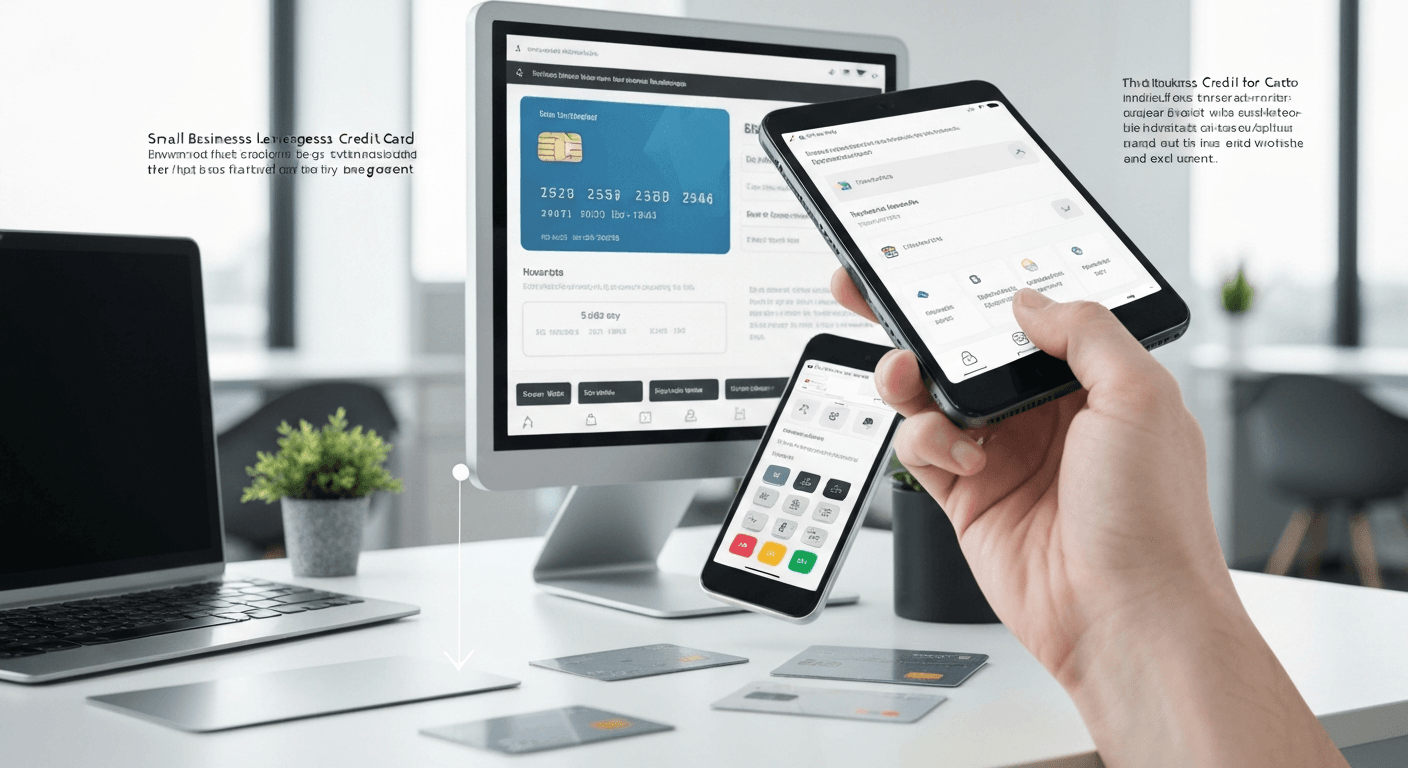
The financial landscape for small and medium-sized businesses (SMBs) is perpetually challenging, marked by tight margins, unpredictable revenue streams, and the constant need to optimize cash flow. While consumer credit card marketing often focuses on enticing rewards programs, a significant shift is occurring in the way SMBs are leveraging business credit cards. They're increasingly viewing these cards not as vehicles for accruing points or miles, but as crucial tools for managing working capital and streamlining operational efficiency. This evolving perspective presents significant opportunities for fintech companies and accounting professionals to provide targeted solutions and guidance that cater to the real-world financial needs of these businesses. The transition underscores a move away from archaic payment methods like checks, hampered by processing delays and reconciliation complexities, towards more agile and transparent digital solutions. This trend is not merely a preference; it’s becoming a necessity for SMBs striving for survival and growth in an increasingly competitive market.
What's Happening: Cash Flow Takes Center Stage
The core finding from the PYMNTS research, as indicated in the source material, is that SMBs are prioritizing cash flow management over rewards when using business credit cards. This signifies a fundamental change in how these businesses perceive and utilize credit. Instead of focusing on perks like travel points or cashback, they are leveraging the credit line to bridge gaps between revenue and expenses, manage short-term liabilities, and invest in growth opportunities. This shift is driven by several factors, including the increasing adoption of digital payment solutions, the need for greater financial flexibility in a volatile economic climate, and a growing awareness of the cost-effectiveness of credit card usage compared to traditional financing options like bank loans.
Furthermore, the move away from checks is accelerating as SMBs recognize the inefficiencies and risks associated with paper-based payments. Checks are prone to fraud, require manual processing, and can take days to clear, creating delays in cash flow and increasing administrative burden. Business credit cards, on the other hand, offer faster transaction processing, enhanced security features, and detailed transaction records that simplify reconciliation and reporting. The availability of integrated accounting software further enhances the appeal of credit cards, allowing for seamless data integration and automated expense tracking.
Industry Context: The Fintech Revolution and the Decline of Checks
This trend is inextricably linked to the ongoing fintech revolution, which is disrupting traditional financial services and empowering SMBs with innovative tools and solutions. Fintech companies are developing business credit card platforms that are specifically designed to address the unique needs of SMBs, offering features like flexible credit limits, customized reporting, and integration with popular accounting software like QuickBooks and Xero. These platforms often provide real-time insights into spending patterns, helping SMBs identify areas for cost optimization and improve their overall financial management.
The decline of checks is a long-term trend that has been accelerated by the rise of digital payment solutions. According to the Federal Reserve Payments Study, the number of check payments has been steadily declining for decades, while electronic payments have been growing rapidly. This trend is driven by a combination of factors, including the increasing convenience and security of electronic payments, the rising cost of processing checks, and the growing adoption of mobile payment technologies. While the Federal Reserve’s FedNow service aims to modernize payment systems, the ease of integrating existing business credit card solutions with established accounting practices gives them an advantage for many SMBs.
Comparing this to traditional banking services, business credit cards offer several advantages. While bank loans may provide larger sums of capital, they often require extensive documentation, collateral, and a lengthy approval process. Business credit cards, on the other hand, can provide access to credit quickly and easily, without the need for collateral. This makes them a more attractive option for SMBs that need to manage short-term cash flow fluctuations or seize time-sensitive opportunities.
Why This Matters for Professionals: Opportunities and Action Items
For accounting professionals and fintech practitioners, this shift presents significant opportunities to provide value-added services and solutions to SMBs. Here are some specific action items and considerations:
- Offer tailored financial advice: Accountants should advise SMB clients on how to effectively use business credit cards for cash flow management, including strategies for optimizing payment cycles, managing credit utilization, and avoiding late fees. This includes demonstrating how to leverage credit cards for strategic investments that yield returns exceeding the associated interest costs.
- Integrate credit card data with accounting systems: Fintech companies should focus on developing seamless integrations between their business credit card platforms and popular accounting software, enabling SMBs to automate expense tracking, reconciliation, and reporting.
- Develop educational resources: Both accounting professionals and fintech companies should create educational resources that help SMBs understand the benefits of using business credit cards for cash flow management and the risks associated with overspending or mismanaging credit.
- Promote the use of virtual cards: Virtual cards, which are unique, single-use credit card numbers, can provide an added layer of security and control over spending. Fintech companies should promote the use of virtual cards for online purchases and other transactions where security is a concern.
- Compliance and Regulatory Awareness: Ensure all credit card offerings comply with relevant regulations, including the Truth in Lending Act (TILA) and the Fair Credit Reporting Act (FCRA). Stay informed about any potential regulatory changes affecting the business credit card market.
Furthermore, understanding the FASB (Financial Accounting Standards Board) guidelines on accounting for credit card transactions is crucial. Professionals should ensure that SMB clients are properly recording and reporting credit card expenses in their financial statements.
The Bottom Line: A New Era of SMB Financial Management
The increasing reliance on business credit cards for cash flow management signals a new era of SMB financial management, characterized by greater agility, efficiency, and transparency. Fintech companies and accounting professionals who can effectively address the evolving needs of SMBs in this area will be well-positioned for success. SMBs are embracing business credit cards as strategic financial tools, marking a shift toward proactive cash flow management and away from traditional reward-centric thinking.
Fintech.News Desk
Editorial TeamThe Fintech.News Desk covers the latest developments in fintech, accounting technology, tax regulation, and AI in finance. We combine AI-assisted research with editorial review to deliver analytical news coverage for finance professionals.
Enjoyed this article?
Get stories like this first on our Telegram channel. Subscribed by thousands of fintech leaders.
Join us on TelegramRead Next

Visa Wants Fraudsters to Pick Another Business
Visa combats evolving fraud with AI. Deep dive into their strategy against sophisticated cybercrime. Insights for fintech & accounting pros.

42% of CFOs Express Interest in Stablecoins as Payments Use Cases Grow
Stablecoins gain traction! 42% of CFOs eye them for payments as use cases expand. Learn how this crypto trend impacts accounting & fintech strategies.

Gig Workers Want Real-Time Pay for Real-Time Work
Gig workers want instant pay! Learn how real-time payments solve cash flow issues for freelancers & contractors. Fintech & accounting insights.
New Nacha Rules Drive Banks Toward Real-Time Fraud Detection
Nacha's fraud rules push banks to real-time detection. Stay compliant & protect against evolving ACH fraud. Learn how to adapt your fintech/accounting strategy.
Payments Modernization Emerges as Growth Engine for Small Businesses
Payments modernization fuels SMB growth! Discover how streamlined payment systems boost efficiency, improve cash flow, and drive revenue for accounting professi
Critics: Circle Failed to Block Drift Hack Transfer
Circle's response to the Drift hack faces scrutiny. Did the stablecoin issuer fail to prevent illicit fund transfers? Key DeFi security concerns explored.
More in this topic

Embedded Payments Make Fraud Harder to See and Faster to Hit

HSBC Extends Tokenized Deposit Service to US Firms

Inflation Hits 58% of Small Businesses and Pushes Embedded B2B Finance Forward

Fed Finds Stablecoins Idle, Confirms PYMNTS Usage Gap

68% of Banks Increase Fraud Defense Spending as Account Takeovers Spike

BILL Expands Supplier Payments Plus Solution

Fed Rule Changes Would Expand SMB Lending Capacity