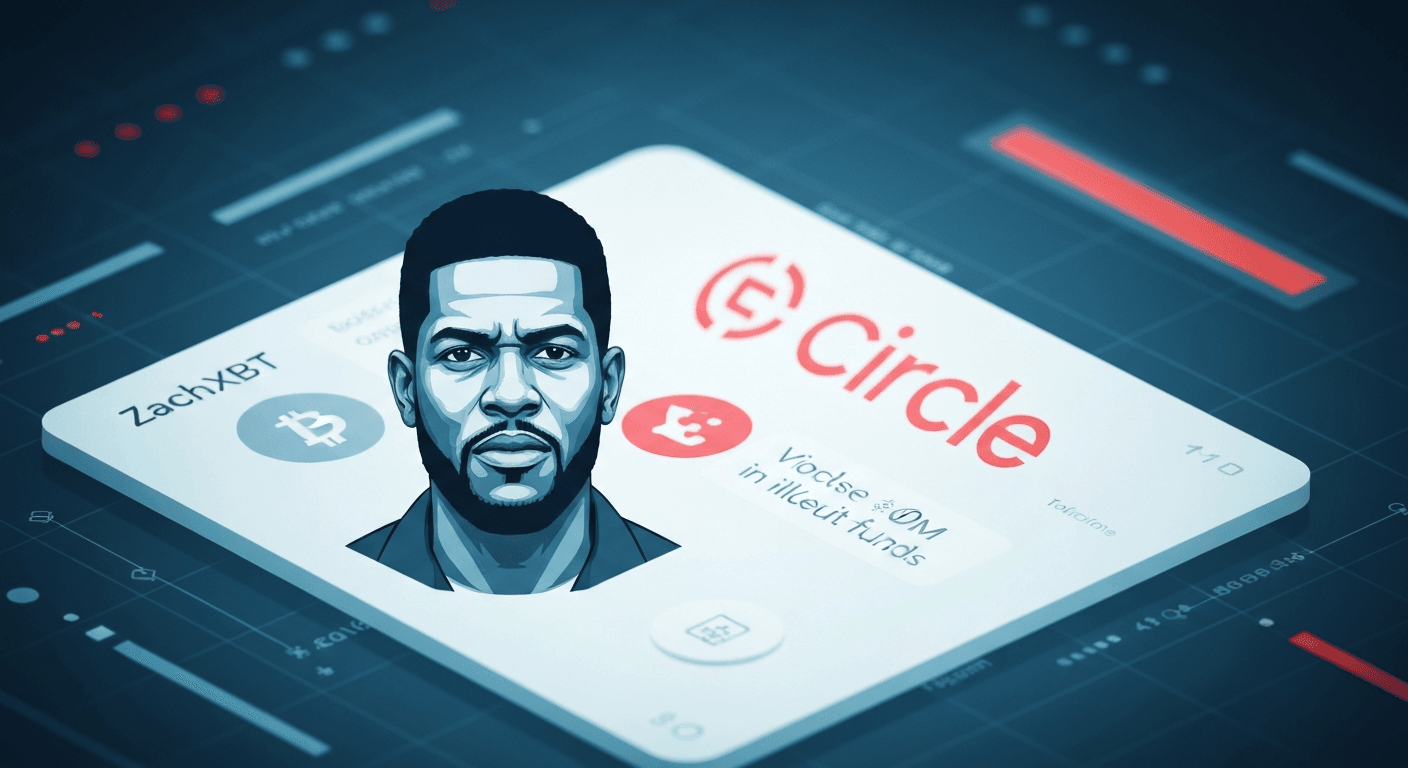
The intersection of blockchain technology and traditional finance is fraught with challenges, particularly when it comes to regulatory compliance and the management of illicit funds. While decentralized finance (DeFi) promises transparency and efficiency, it also presents opportunities for money laundering and other illicit activities. The responsibility for mitigating these risks often falls on centralized entities operating within the crypto ecosystem, such as stablecoin issuers. The recent accusations leveled against Circle, the issuer of USDC, a leading stablecoin, highlight the complexities and potential shortcomings in this crucial area. The claim that Circle has been slow to freeze USDC associated with illicit activities, despite having the technical capability to do so, raises serious questions about the effectiveness of current compliance mechanisms and the broader implications for the legitimacy of the stablecoin market. This issue is particularly relevant now as regulatory scrutiny of stablecoins intensifies globally, with jurisdictions like the European Union moving forward with comprehensive frameworks like MiCA (Markets in Crypto-Assets regulation).
What's Happening
ZachXBT, a well-known blockchain investigator, has publicly accused Circle of exhibiting a pattern of delayed responses in freezing USDC funds linked to illicit activities. According to ZachXBT's findings, which encompass over a dozen cases, the total amount of potentially "illicit funds" involved exceeds $420 million. A particularly significant instance cited is the recent exploit of Drift Protocol, a decentralized exchange, where over $280 million was siphoned off. The accusation isn't that Circle never freezes these funds, but that the freezes often occur with a significant delay after the illicit activity is publicly known and traceable on the blockchain. This delay, according to ZachXBT, allows the perpetrators to potentially move the funds to less traceable avenues, hindering recovery efforts and undermining the integrity of the USDC ecosystem. The core of the issue lies in the timing between the identification of illicit activity, the communication to Circle, and the actual freezing of the associated USDC. The argument posits that Circle possesses the ability to act more swiftly, and the observed delays are indicative of a systemic problem within their operational protocols.
Industry Context
Circle's handling of illicit funds within the USDC ecosystem needs to be viewed within the broader context of regulatory expectations and industry best practices for stablecoin issuers. Stablecoins, particularly those pegged to fiat currencies like the US dollar, are increasingly viewed as systemically important within the crypto market. This prominence has attracted the attention of regulators worldwide, including the SEC in the United States, who are actively developing frameworks to govern their operation and ensure consumer protection. One key area of focus is anti-money laundering (AML) and counter-terrorism financing (CTF) compliance. Circle, as a regulated entity, is obligated to comply with these regulations, which include Know Your Customer (KYC) and transaction monitoring requirements.
Comparing Circle's approach to that of other stablecoin issuers is difficult due to the lack of complete transparency. However, Tether (USDT), the largest stablecoin by market capitalization, has faced similar scrutiny regarding its reserves and its handling of illicit funds. While Tether has also frozen addresses associated with illegal activities, its overall transparency and regulatory compliance have been questioned more intensely compared to Circle. Paxos, the issuer of PAX Gold and USDP, positions itself as a highly regulated and compliant stablecoin issuer, emphasizing its commitment to working with regulators and law enforcement. The perceived speed and effectiveness of freezing illicit funds directly impact the market's confidence in each stablecoin's integrity and long-term viability. The key differentiator is not just whether funds are frozen, but how quickly and efficiently the process is executed following the detection of suspicious activity. This efficiency is crucial to prevent further diffusion of illicit funds and maximize the chances of recovery.
Why This Matters for Professionals
The allegations against Circle have significant implications for various professionals operating within the fintech and financial sectors. Accountants and auditors need to be aware of the potential risks associated with using USDC in their clients' financial transactions, particularly concerning AML compliance. CFOs and treasurers of companies holding USDC as part of their treasury management strategies should reassess their risk assessments, considering the possibility of delays in freezing funds linked to illicit activities. Fintech practitioners developing applications that utilize USDC should also consider these risks and incorporate appropriate safeguards to protect their users.
Specifically, professionals should take the following actions:
- Enhanced Due Diligence: Conduct thorough due diligence on all parties involved in USDC transactions, including verifying their identities and assessing their risk profiles.
- Transaction Monitoring: Implement robust transaction monitoring systems to detect suspicious activity and flag potentially illicit transactions.
- Incident Response Plan: Develop a comprehensive incident response plan to address situations where USDC holdings are compromised or linked to illicit activities. This plan should include procedures for reporting suspicious activity to Circle and law enforcement.
- Diversification: Consider diversifying stablecoin holdings across multiple issuers to mitigate the risk associated with any single stablecoin being compromised.
- Stay Informed: Keep abreast of regulatory developments and industry best practices related to stablecoins and AML compliance. The Financial Action Task Force (FATF) provides guidance on virtual asset regulation, which is relevant to stablecoins.
Furthermore, accounting professionals should understand the implications for financial reporting. If a company holds USDC that is subsequently frozen due to illicit activity, this could result in an impairment loss that needs to be recognized on the balance sheet. The specific accounting treatment will depend on the facts and circumstances of the situation, but generally accepted accounting principles (GAAP) require companies to recognize losses when assets are impaired.
The Bottom Line
The accusations against Circle regarding slow USDC freezes highlight a critical vulnerability in the stablecoin ecosystem: the potential disconnect between technical capabilities and operational effectiveness in combating illicit finance. The industry needs to prioritize faster response times, enhanced transparency, and stronger collaboration with law enforcement to safeguard the integrity of stablecoins and maintain trust in the burgeoning digital asset space. The effectiveness of stablecoins as a legitimate financial tool hinges on their ability to effectively address and mitigate the risks associated with illicit finance.
Fintech.News Desk
Editorial TeamThe Fintech.News Desk covers the latest developments in fintech, accounting technology, tax regulation, and AI in finance. We combine AI-assisted research with editorial review to deliver analytical news coverage for finance professionals.
Enjoyed this article?
Get stories like this first on our Telegram channel. Subscribed by thousands of fintech leaders.
Join us on TelegramRead Next

Fed Finds Stablecoins Idle, Confirms PYMNTS Usage Gap
Fed report reveals stablecoins mostly idle, used within crypto, not mainstream payments. PYMNTS usage gap confirmed. Fintech/accounting insights here.

Charles Schwab opens waitlist for direct bitcoin and ether trading, targeting Q2 limited launch
Schwab's crypto trading waitlist is open! Direct Bitcoin & Ether access coming in Q2. Is this a game-changer for fintech & accounting pros? Learn more.

Embedded Payments Make Fraud Harder to See and Faster to Hit
Embedded payments hide fraud in plain sight. Learn how seamless integration impacts fraud detection & speed in fintech. Stay ahead of risks.

HSBC Extends Tokenized Deposit Service to US Firms
HSBC brings tokenized deposits to the US! Explore how this innovative service can streamline corporate treasury & revolutionize payments for US firms.

Inflation Hits 58% of Small Businesses and Pushes Embedded B2B Finance Forward
Inflation hurting SMBs? See how embedded B2B finance offers a lifeline. Discover solutions & strategies for accounting/fintech pros.

68% of Banks Increase Fraud Defense Spending as Account Takeovers Spike
Banks boost fraud defense! 68% increase spending amid account takeover surge. Stay ahead of fintech security trends & protect your institution now.
More in this topic

BILL Expands Supplier Payments Plus Solution

Visa Wants Fraudsters to Pick Another Business

Fed Rule Changes Would Expand SMB Lending Capacity
Trulioo Pushes Back Beyond One-Time Identity Checks

42% of CFOs Express Interest in Stablecoins as Payments Use Cases Grow

Gig Workers Want Real-Time Pay for Real-Time Work