IMF warns tokenized finance could amplify market crises, urges central bank-anchored settlement
IMF warns tokenized finance could amplify market crises. Learn about central bank-anchored settlement and potential risks for fintech/accounting.
72 articles

IMF warns tokenized finance could amplify market crises. Learn about central bank-anchored settlement and potential risks for fintech/accounting.

Cambodia cracks down on online & crypto scams! New law targets scam compounds amid rising fintech fraud. Stay compliant & protect your firm.

Australia mandates financial licenses for crypto platforms. What does this mean for digital asset businesses? Stay compliant in the evolving regulatory landscap

Musk vs. SEC trial looms over Twitter/X share stockpile dispute. A key securities fraud test for fintech & accounting pros. Stay updated.

Treasury Dept. explores state-level paths for smaller stablecoin issuers. Learn how this regulatory shift impacts consumer protection & systemic risk in crypto.

CFTC orders KuCoin to block all U.S. users and pay $500K for operating an unregistered derivatives platform — continuing the pattern of offshore exchange enforcement.

PCAOB opens public comment on 2027-2031 strategic plan — with AI in auditing, crypto asset assurance, and continuous audit methodology as top-priority focus areas.

DOL proposes rule allowing 401(k) plans to offer crypto as investment options — reversing 2022 guidance and creating the largest regulated crypto investment channel in history.

IRS filing season data shows $3,571 average refund (+4.2% YoY) with 78M returns processed. E-file rate hits 94%. Direct File usage triples year-over-year.

Washington splits on AI regulation as tech giants lobby for self-governance while labor unions push mandatory disclosure and job displacement protections.

FinCEN's expanded BSA/AML expectations now reach accounting firms directly. New beneficial ownership rules and CTA enforcement create compliance obligations CPAs can't ignore.

Fannie Mae will purchase crypto-collateralized mortgages where borrowers pledge BTC or USDC as down payment. First GSE to accept digital asset collateral.

Senate Banking Committee demands regulators explain why fintech licensing, AI oversight, and crypto banking rules remain stalled 3+ years after Congressional mandates.

Crypto in 401(k)s? White House reviews rule opening $10T market to digital assets & private equity. Key implications for fintech & retirement planning pros.

Inspector General finds IRS overstated Direct File costs by $45M — allocating shared infrastructure expenses to make the free filing program appear less efficient.

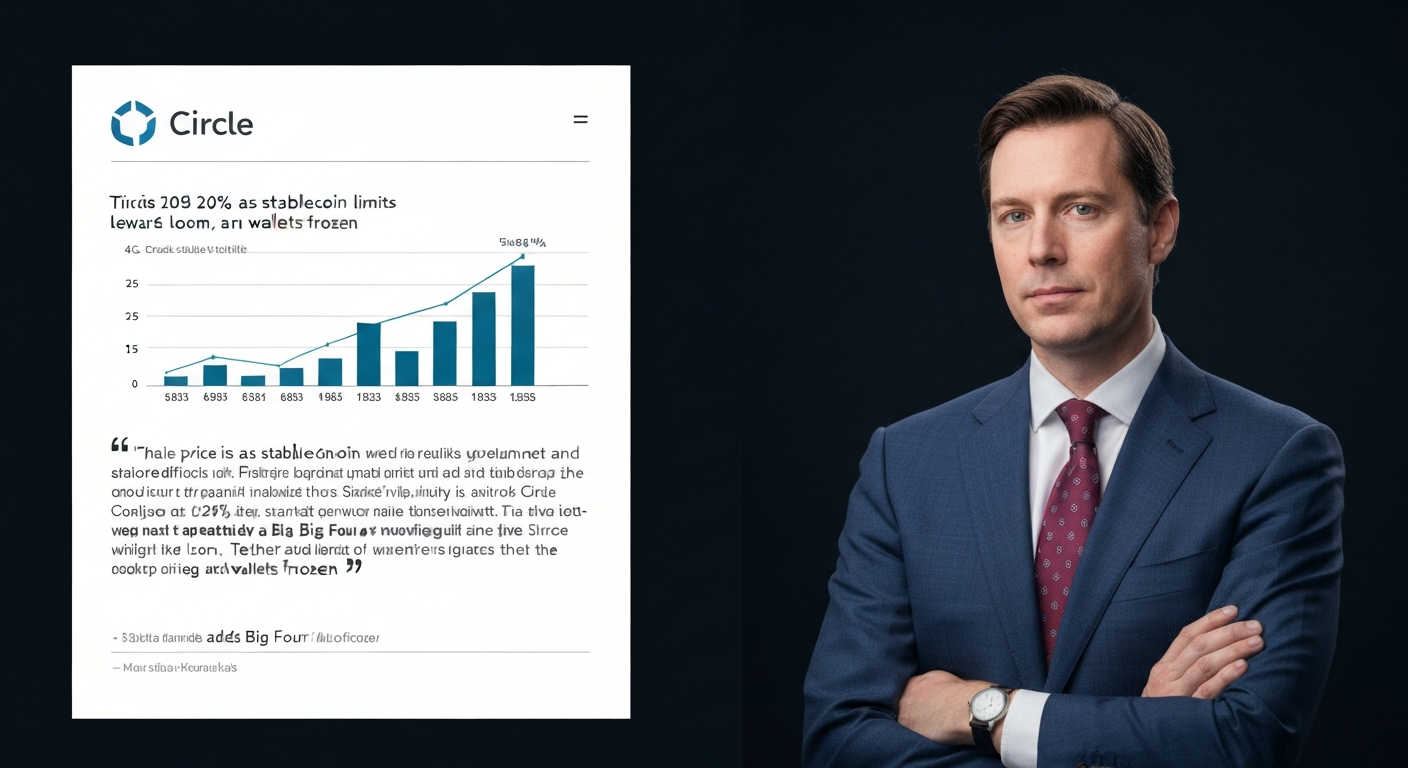
Circle stock drops 20% on proposed legislation capping stablecoin yield payouts. Tether hires Deloitte for full audit. Multiple USDT wallets frozen by order.

Fidelity proposes SEC framework changes allowing broker-dealers to custody crypto directly, eliminating the qualified custodian requirement that blocks institutional adoption.

A Tax Court ruling invalidates IRS guidance on COVID relief timing, potentially entitling millions to refunds on prematurely taxed stimulus-related income.

IRS opens public comment for its 2026-2027 Priority Guidance Plan. Practitioners can shape upcoming regulations on OBBBA implementation, crypto, and AI in tax.

Bipartisan senators signal the CLARITY Act (defining which crypto tokens are securities vs. commodities) is near resolution — with a final vote expected before the August recess.

UK retailers demand the government close the de minimis customs loophole exploited by Shein and Temu — which lets sub-£135 parcels enter duty-free, undercutting domestic businesses by 20-30%.

Brazil's finance minister halts crypto tax consultation post-election. What does this mean for digital asset regulation & accounting in Brazil? Get the latest a

CFTC issues FAQ allowing crypto as derivatives margin collateral under strict conditions: daily mark-to-market, 25% haircuts, and segregated custody required.

RegTech startup Delve faces fraud allegations for selling compliance certifications that regulators don't recognize, exposing 200+ clients to enforcement risk.

Bipartisan agreement on stablecoin yield provisions removes the last obstacle to the comprehensive crypto market structure bill — passage expected by Q3 2026.

PCAOB launches fellowship placing Big Four and mid-market auditors inside the regulator for 12-month rotations — bridging the knowledge gap between inspection teams and modern audit practice.

AICPA pushes IRS for clarity on Section 45S paid leave credit after OBBBA changes. Employers face compliance gaps without updated guidance.

SEC greenlights Nasdaq's pilot for trading tokenized U.S. equities on blockchain — enabling T+0 settlement, 24/7 trading, and fractional ownership of S&P 500 stocks on-chain.

SEC and CFTC issue joint guidance: most digital assets are commodities (CFTC jurisdiction), not securities — resolving the classification debate that paralyzed crypto innovation for 5 years.

U.S. businesses and individuals face 11.6 billion hours annually on 10,000+ federal forms. The compliance burden equals $450B in economic cost.

Australia's Senate committee endorses mandatory licensing for crypto exchanges and custodians, creating APAC's most comprehensive digital asset framework.

BlockFills files Chapter 11 with $340M in liabilities after freezing withdrawals. Creditors face 18-month recovery timeline and estimated 30-45% recovery rate.

SEC drafts proposal allowing public companies to report semi-annually instead of quarterly — reducing compliance costs 40% but raising concerns about market transparency and information gaps.


Custodia Bank loses 7-3 appeals court decision ending its 5-year fight for a Federal Reserve master account. Crypto banking access via the Fed remains blocked.

Class action accuses Costco of padding margins under cover of tariff increases. Lawsuit tests whether retailers can pass through costs above actual tariff impact.

New IRS crypto reporting rules for 2026 require digital asset checkbox disclosure on all returns, cost basis method elections, and DeFi activity reporting.

Steven Rattner warns U.S. labor market shows early stress fractures: rising initial claims, declining temp work, and AI displacement accelerating — creating stagflation risk.

US drops plan for global AI chip export permits. A win for fintech? See how this affects AI innovation & access for accounting professionals.

Adobe pays $150M to settle FTC dark-pattern claims, offering $75M in free services. SaaS billing practices face new regulatory precedent.

HSBC and Standard Chartered set to receive Hong Kong's first stablecoin licenses, positioning the city as Asia's regulated digital asset hub with bank-issued tokens.

Senate passes $200B housing bill but strips the Credit Card Competition Act (CCCA) amendment — preserving Visa/Mastercard interchange duopoly as merchants lose their strongest legislative bid for fee reform.

OFAC sanctions 17 North Korean IT workers and 3 facilitators for operating a $800M crypto-funded revenue-generation scheme that finances Pyongyang's weapons programs.

FSB Chair Bailey warns that slow cross-border payments risk $150T in annual global flows. Proposes interlinking national instant payment systems by 2028.

HMRC invests $4M in blockchain forensic tools for crypto tax enforcement. Former OECD advisor warns UK taxpayers face unprecedented scrutiny on digital assets.

IRS updates its Tax Withholding Estimator for OBBBA provisions — including new brackets, expanded CTC, and increased SALT cap. Employees should recheck W-4s now.
DOJ opposes SBF's retrial motion, arguing that new evidence claims are 'manufactured' and that the 25-year sentence for FTX's $8B fraud was appropriate and supported by overwhelming trial evidence.

Trulioo appoints new CRO and CPO as global identity verification demand surges 67% YoY — driven by AI fraud, crypto KYC requirements, and DORA/MiCA compliance mandates in Europe.

Revolut secures full UK banking license, becoming the largest neobank to offer FSCS-protected deposits alongside integrated crypto trading and payments.

FDIC Chair Hill proposes rule explicitly excluding stablecoins from deposit insurance, clarifying that USDC/USDT holders have no FDIC protection regardless of issuer banking relationships.

IRS releases proposed regulations for 'Trump Accounts' — the new tax-advantaged savings vehicle created by the One Big Beautiful Bill Act with $10K annual contribution limits.

Revolut secures full UK banking license after 5-year application — enabling FSCS-protected deposits, credit products, and interest-bearing accounts for 9 million UK customers.

Ripple acquires Australian payment processor BC Payments to obtain AFSL licensing — gaining direct access to Australia's $2.1T annual payment market without a multi-year license application.

SEC and CFTC sign formal MOU on crypto cooperation — establishing joint review process for new digital asset products, shared enforcement data, and coordinated rulemaking to eliminate jurisdictional gaps.

CFTC Chair Selig declares the U.S. the global crypto capital as bipartisan digital asset legislation advances, creating new compliance frameworks.

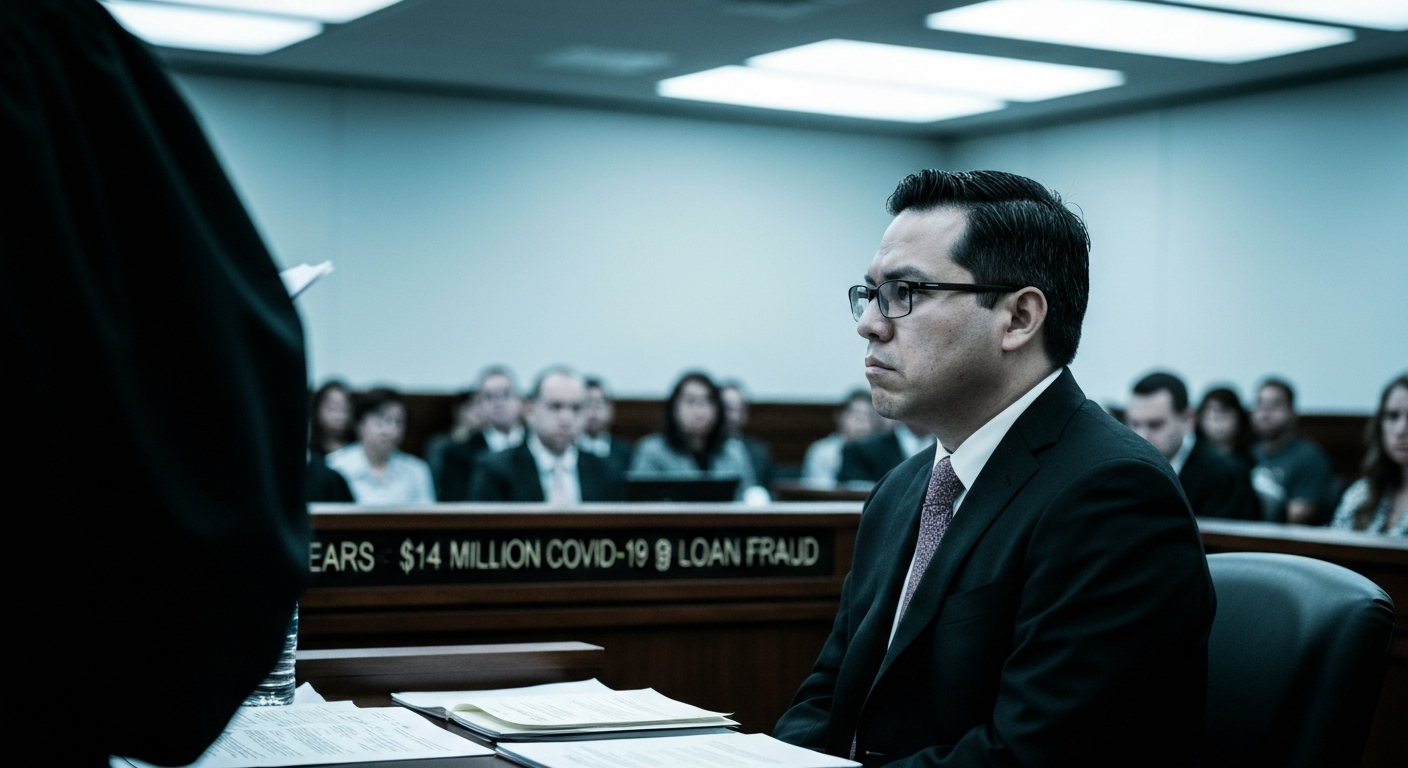
Illinois tax preparer sentenced to 10 years for $14M PPP/EIDL fraud across 1,500+ applications. Largest individual COVID loan fraud conviction in the Midwest.

Coinbase launches regulated crypto futures in 26 EU countries via MiFID-licensed entity, offering BTC and ETH perpetuals with up to 10x leverage for qualified traders.

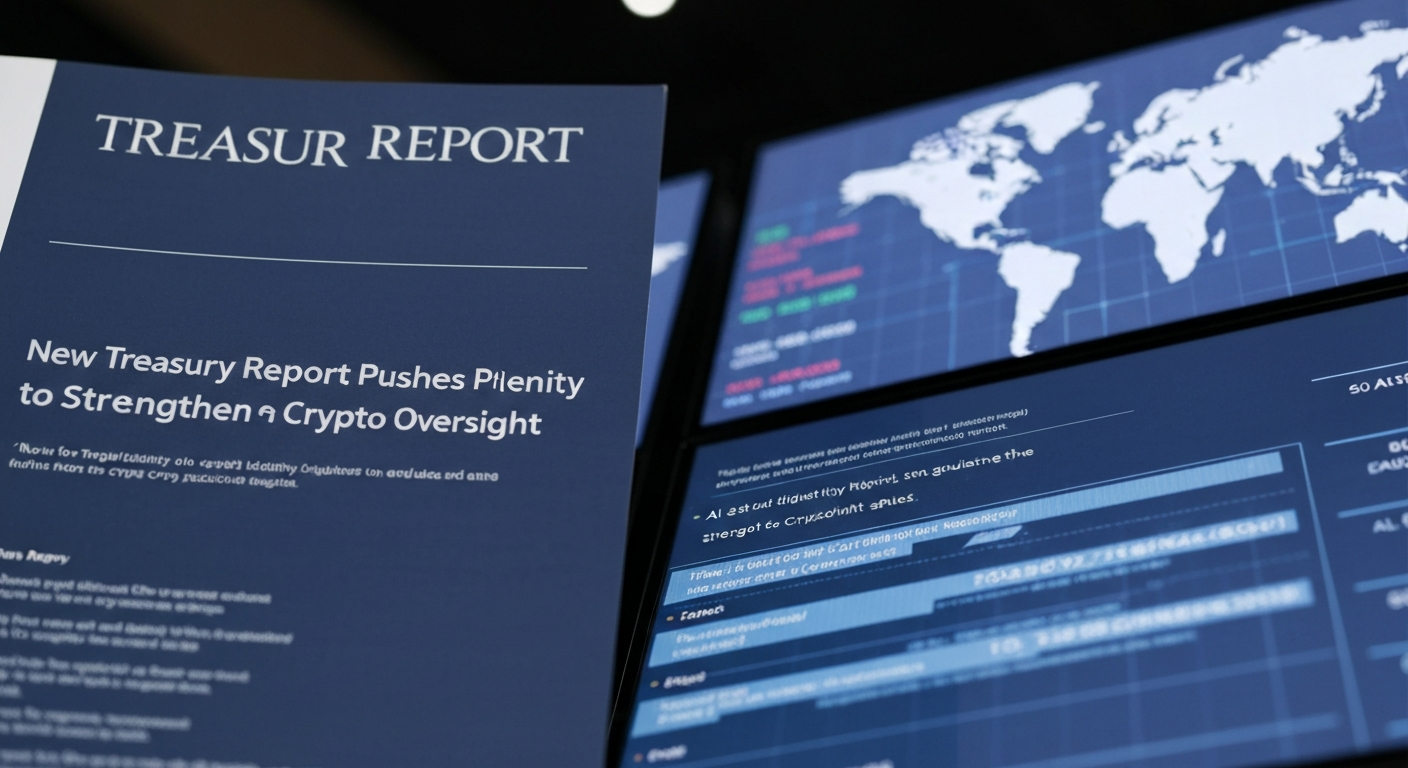
U.S. Treasury recommends AI-powered transaction monitoring and digital identity verification as core infrastructure for crypto market oversight — proposing $340M in implementation funding.

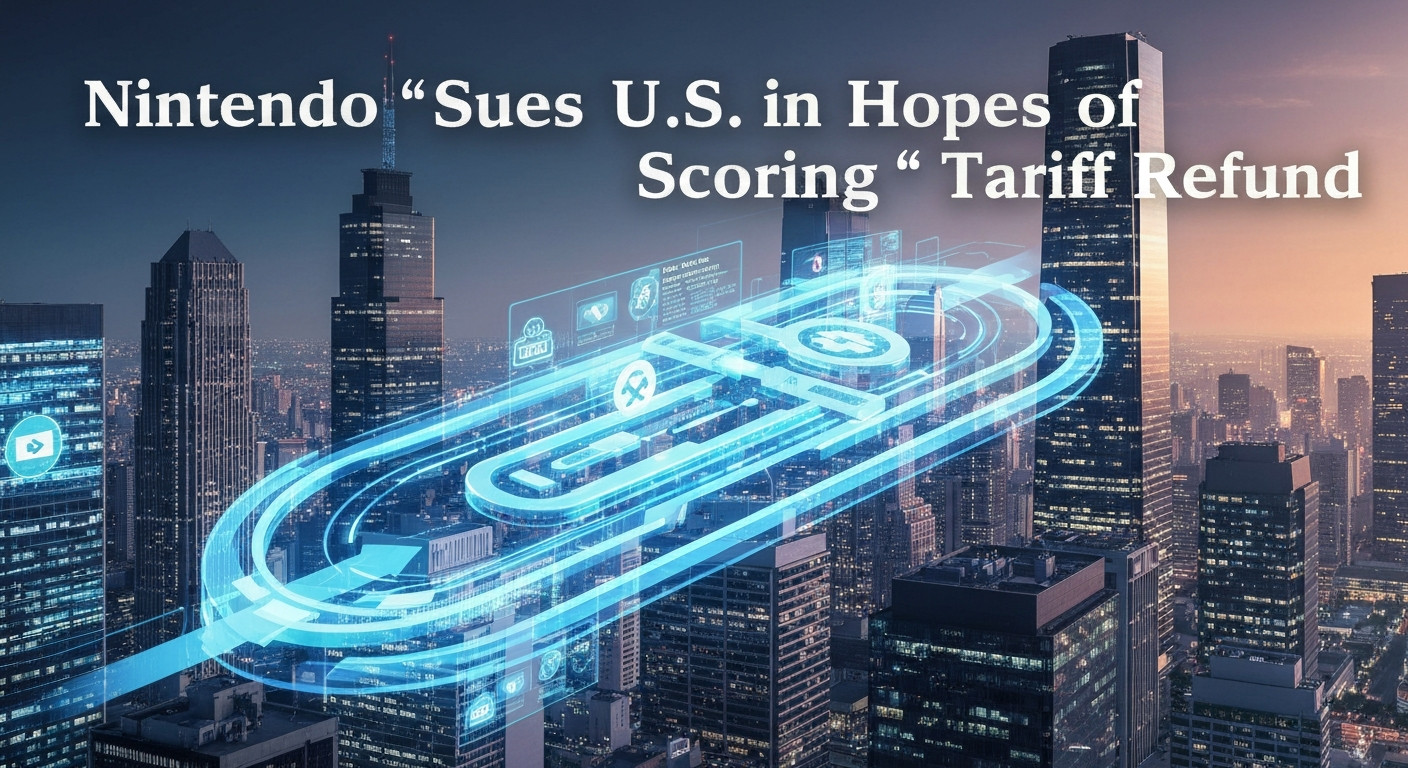
Nintendo files Court of International Trade lawsuit seeking $128M in tariff refunds, arguing that Switch consoles were misclassified under incorrect HTS codes since 2019.

OpenAI's robotics division leader resigns in protest after the company signs a $480M Pentagon contract for military AI applications — reigniting the AI ethics and defense debate.

Treasury acknowledges crypto mixing has legitimate privacy applications — recommending targeted sanctions enforcement rather than blanket prohibition and proposing 'hold' authority for suspicious transactions.

Federal judge dismisses Binance terrorism financing lawsuit on standing grounds but signals plaintiffs could succeed with more specific causation evidence.

Alchemy Pay secures its 15th U.S. state money transmitter license in Delaware, building the regulatory moat for crypto-fiat payment processing nationwide.

Binance fires back at Sen. Blumenthal's Iran sanctions investigation, claiming the probe relies on flawed blockchain analytics and false media reporting.

Florida passes SB 314, the first U.S. state stablecoin framework — requiring reserves, licensing, and consumer protections for payment stablecoins issued or sold in the state.

Strike obtains NY BitLicense after 3-year application — enabling Bitcoin payments, Lightning Network transactions, and BTC savings for 20 million New Yorkers.

Pakistan passes comprehensive crypto legislation creating a Virtual Asset Regulatory Authority — positioning the 230M-population nation as South Asia's regulated digital asset hub.

Revolut applies for a U.S. National Bank Charter — bringing 70 million global users, multi-currency accounts, and crypto integration into direct competition with Chime, SoFi, and traditional banks.

U.S. payrolls drop 92,000 in February — the first negative print since 2020 — as government layoffs, AI displacement, and tariff uncertainty converge to crack the labor market facade.

Joint OCC/Fed/FDIC guidance clarifies that banks can hold, transfer, and settle tokenized securities — removing the regulatory uncertainty that blocked bank participation in blockchain-based capital markets.

Executive order directs Treasury, DOJ, and DHS to prioritize cybercrime enforcement — creating new coordination mechanisms and $2.4B in additional funding targeting ransomware and financial fraud.

US considers AI chip export permits. Nvidia & AMD global sales could require US approval. A major shift impacting fintech & accounting tech infrastructure.

After 3 years of delays, the $600 1099-K threshold is final for 2026. Payment platforms must report all sellers exceeding $600 — affecting 44 million gig workers.